DEEN Instagram
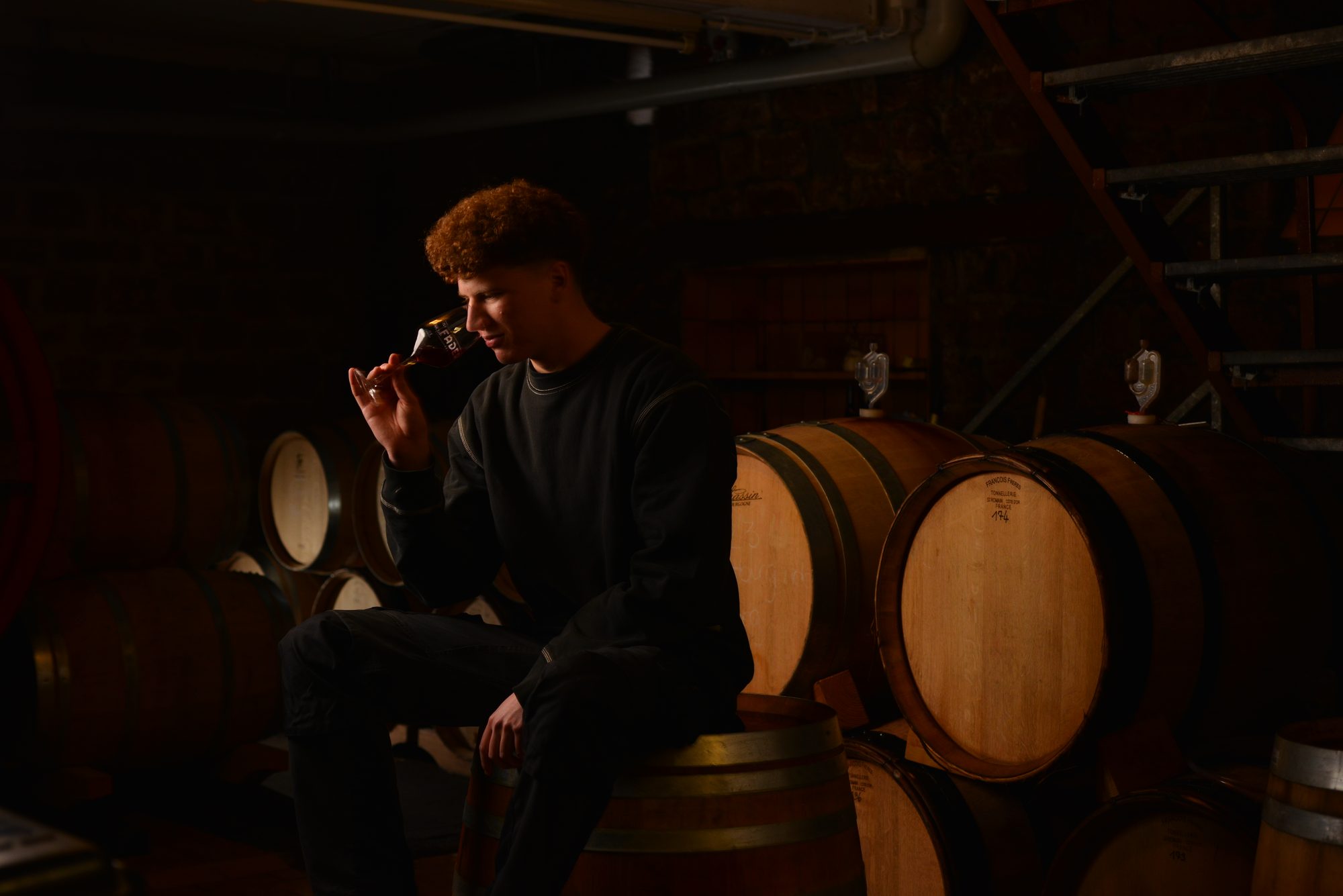
Paul sits on a barrel in the cellar and noses a glass of wine

Winemaker in the southern Pfalz

I’m Paul Knut Fader.

Lively. Mineral. Distinctive.

I make wine in Rhodt unter Rietburg, on the Southern Wine Route.

I started at 16. My apprenticeship took me as far as Weingut Franz Keller, my internships to Burgenland, South Africa and Burgundy. Then came the Techniker, the German technician’s degree.

Along the way it became clear to me that I want to make a line of my own. It builds on my father’s many years of good work. Hence the name. Paul Knut Fader is my full name, and Knut is my father’s name too.

This line has four grape varieties: Riesling, Weißburgunder, Chardonnay and Spätburgunder. With them I can show most clearly how I work and where my wines grow. It starts with the village wines from Rhodt, and single-vineyard wines will follow over the next few years.

At the foot of the Palatinate Forest

Rhodt lies in the southern Pfalz, right at the foot of the Palatinate Forest. I chose the vineyards for my village wines carefully. They lie above the village, closer to the forest, at 200 to 250 metres. The vines are at least 20 years old.

Up here the soil is barren, with more red sandstone and more limestone. Cool winds come down from the Palatinate Forest. For me this is the most exciting part of Rhodt.

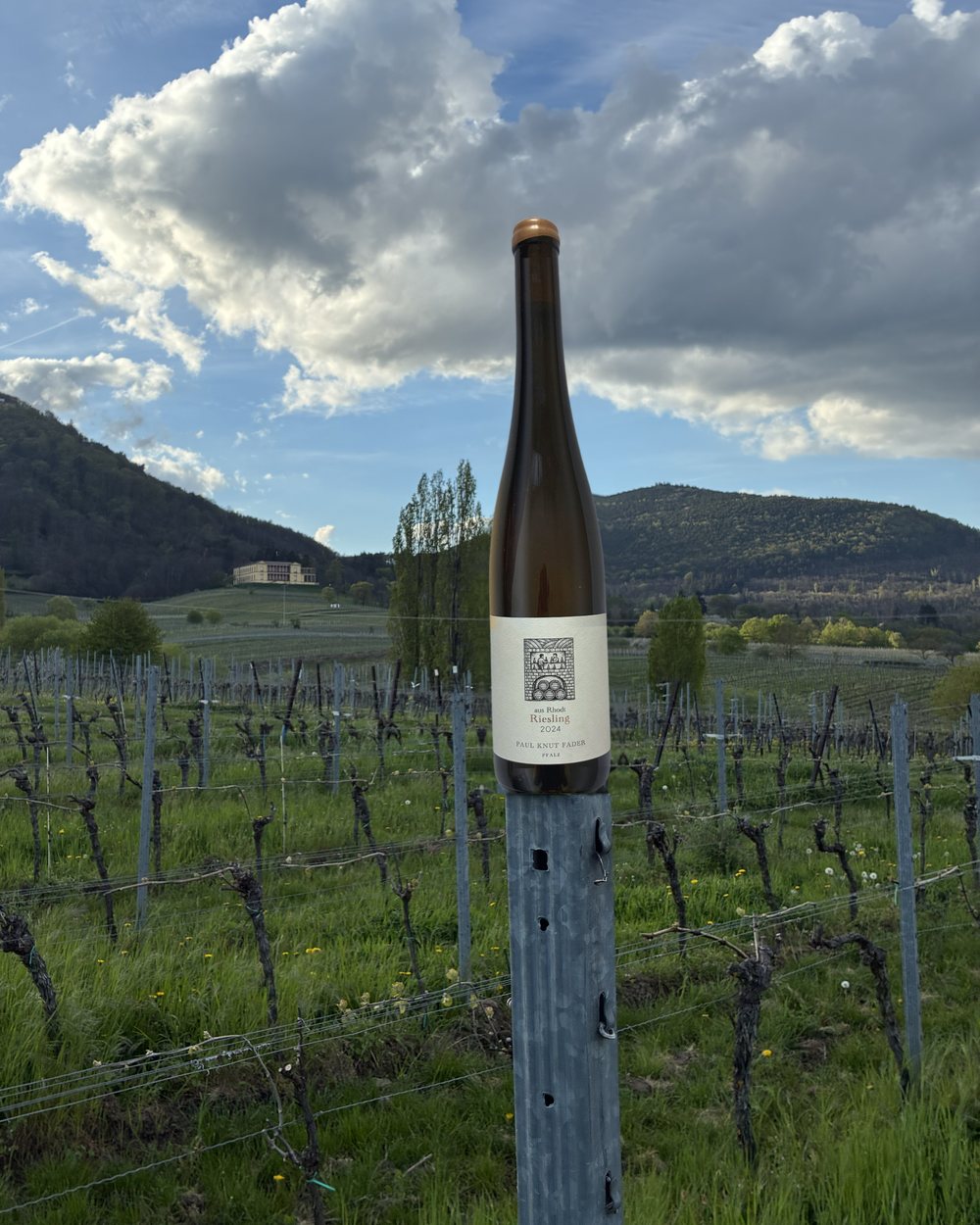
The Riesling grows in the Kalkgrube, the coolest site in the village and the one richest in limestone. Ulrich Sautter of Falstaff credited it with “plenty of mineral play”. The Chardonnay grows on loess-loam over weathered limestone, the Spätburgunder on loess-loam.

The single-vineyard wines each come from one site: Spätburgunder and Weißburgunder from the Godramsteiner Münzberg, Riesling from the Rhodter Schlossberg.

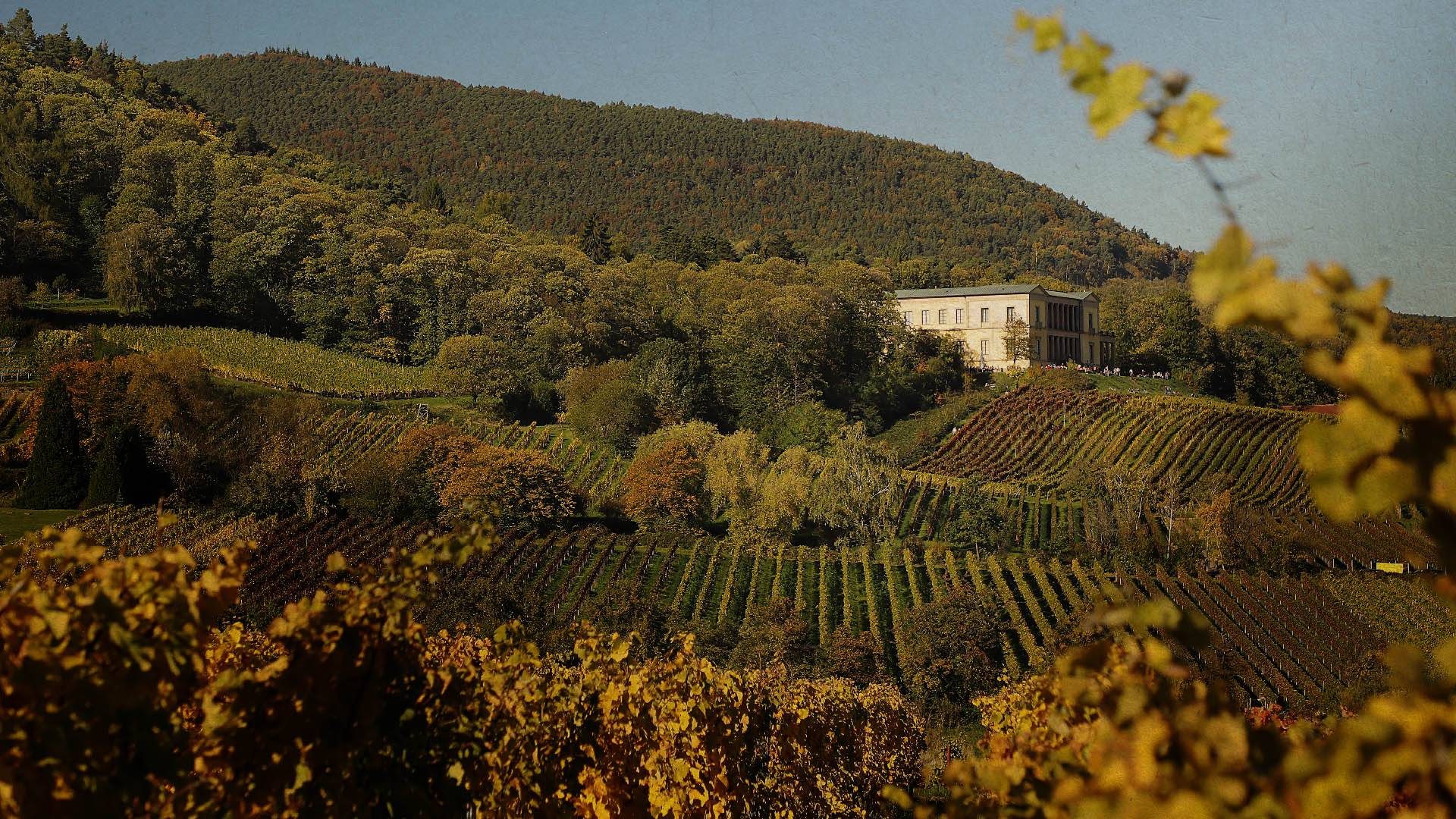
Vineyards on the slope of the Palatinate Forest, a pale villa above them

In the vineyard

The vineyard comes first. I want you to taste soil and climate.

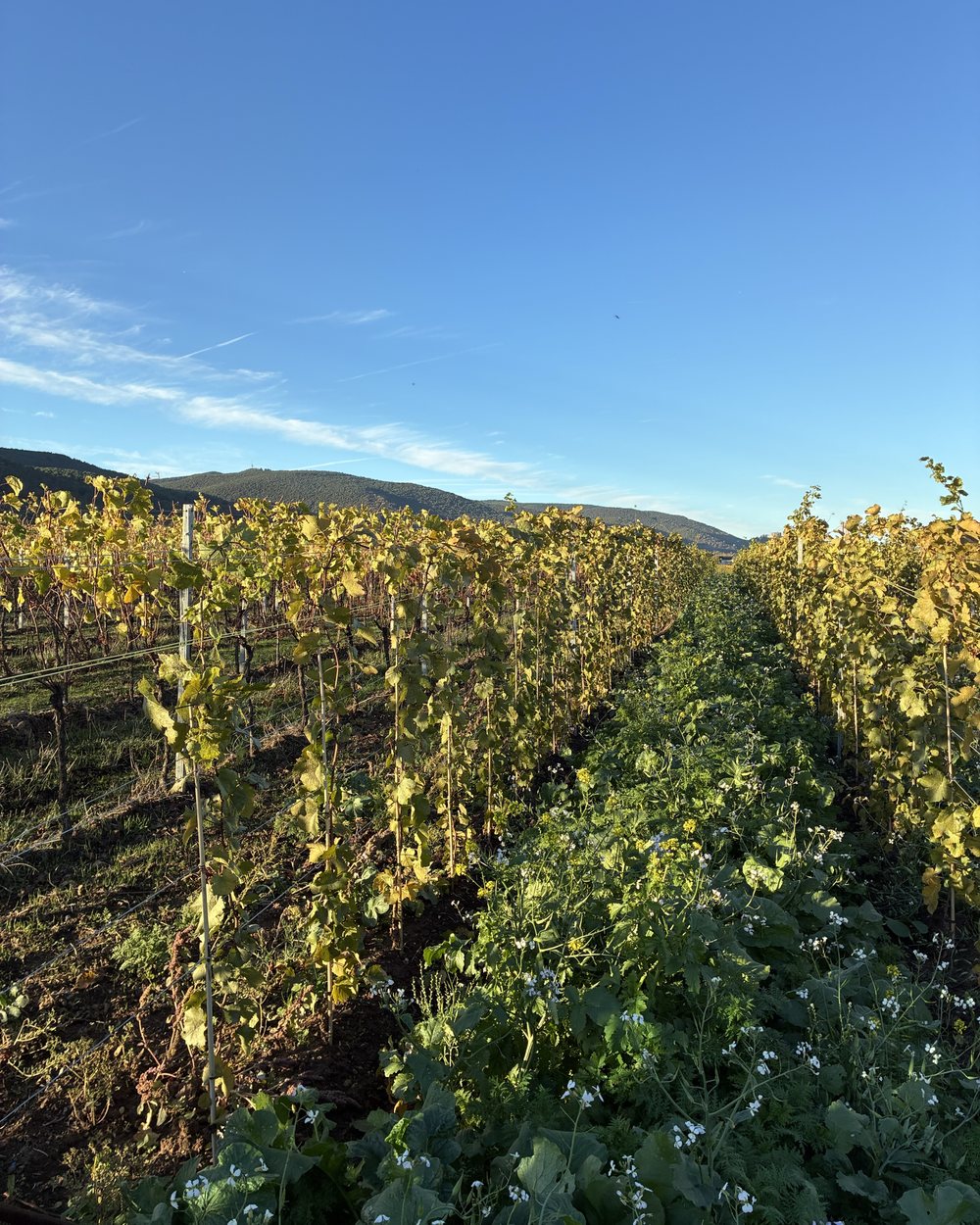
I work sustainably and with regenerative methods. Vines and soils should stay healthy in the long run, and the natural biodiversity should be preserved. I don’t overthink it. Through the year I look at each parcel on its own and then decide. A colourful cover crop grows between the rows.

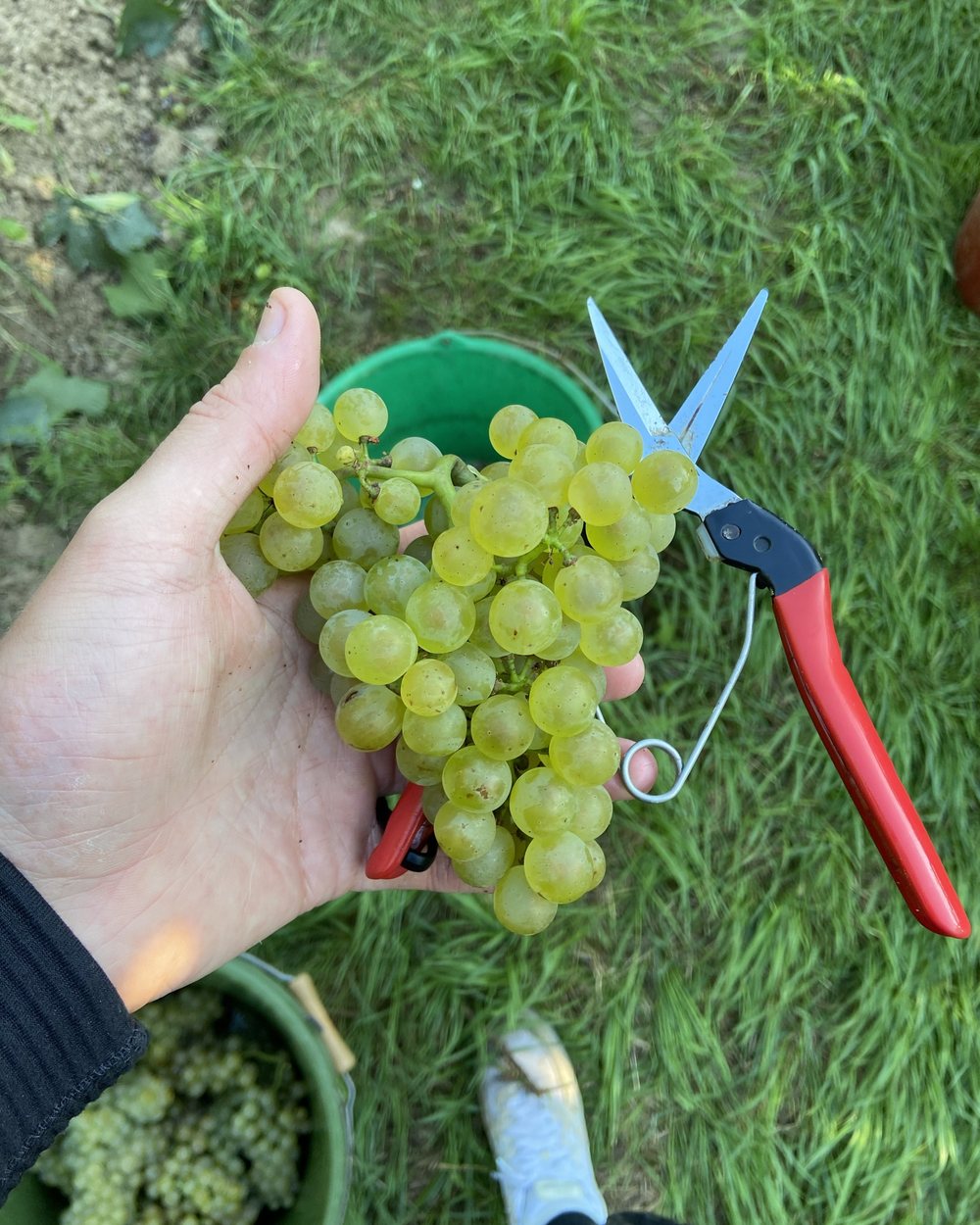
I only pick once the grapes are perfectly ripe and completely healthy. There is no fixed date for that, each vintage decides it anew. I pick everything by hand, bunch by bunch, and only take what I want in the wine later.

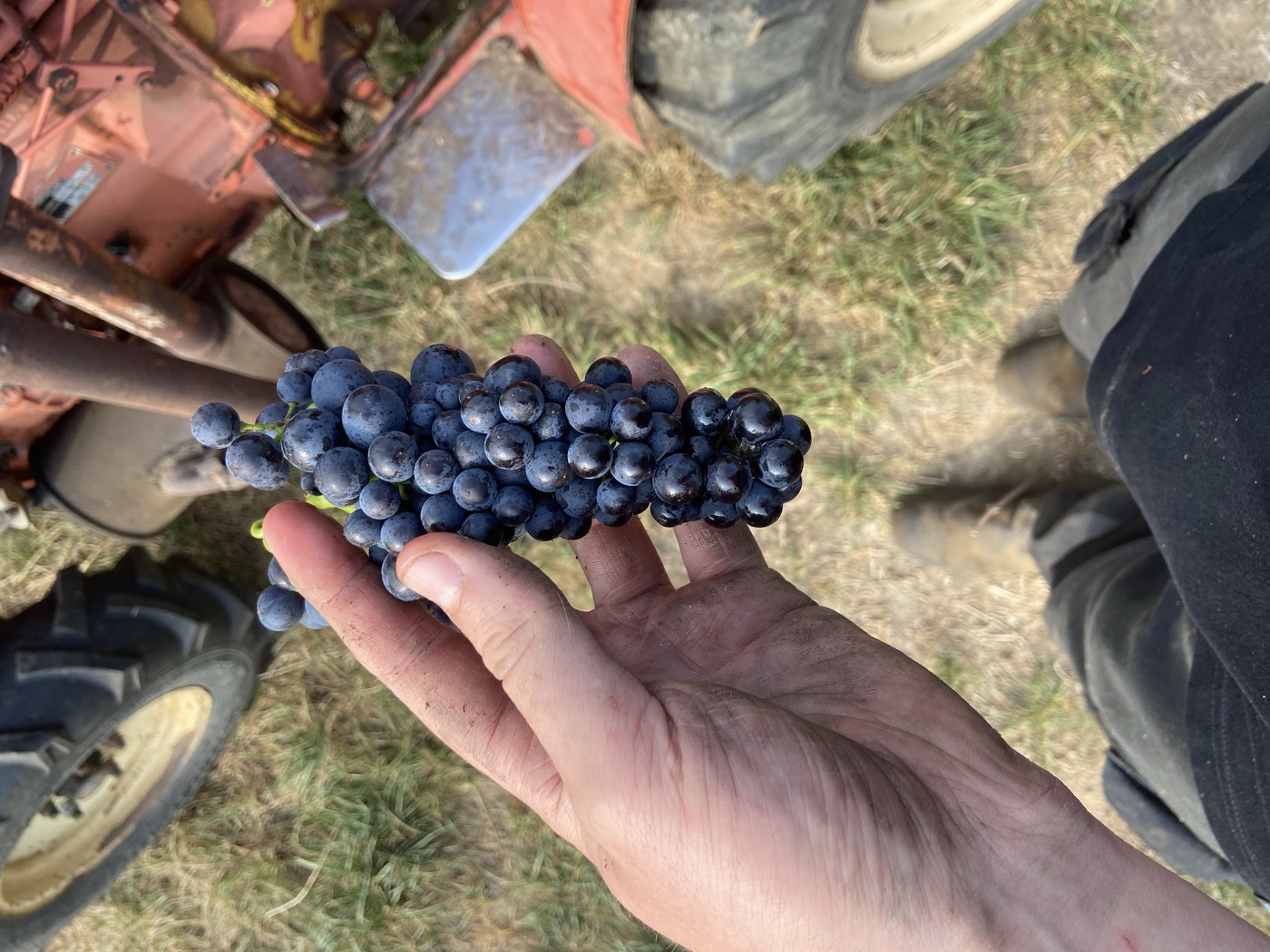
A hand holds a dark, ripe bunch of grapes, a tractor and work boots behind it
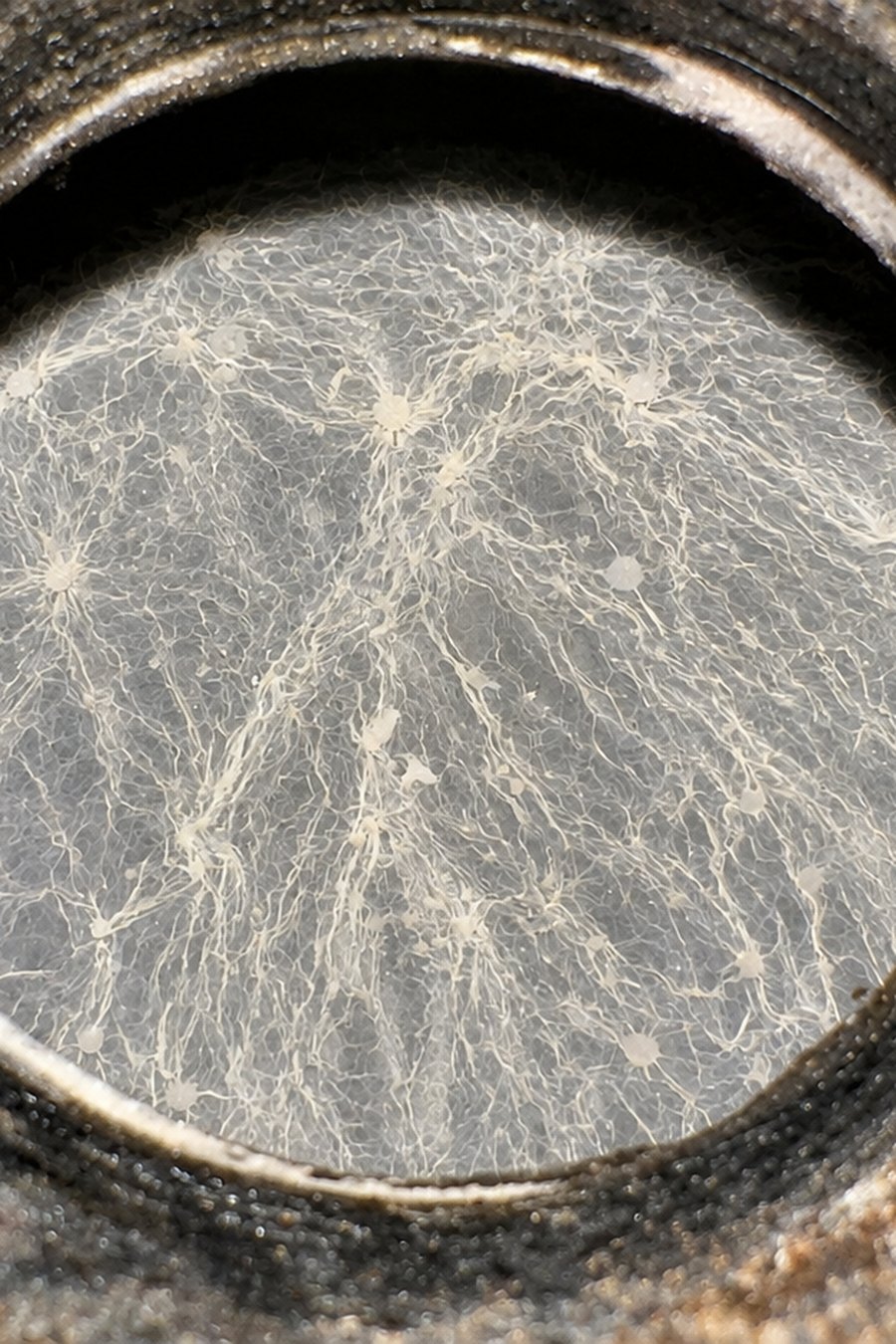
View through the bunghole into a barrel: a pale layer of flor yeast lies on the wine

In the cellar

I want to make lively, mineral wines with a character of their own. Taut, with fresh acidity and a long finish.

To get there I accompany the wine more than I intervene, and I give it time. In the cellar, patience achieves more than any intervention. Soil and grape should speak for themselves.

I want to understand why a wine turns out the way it does. I decide a lot by feel, and that feel comes from experience. Even so, I want to be able to give a reason for every decision. Each year I engage with the vintage anew and act accordingly.

For the white wines I press the grapes directly and handle the juice oxidatively. It goes straight into the right oak barrel, with no clarification.

In the barrel the juice ferments on its own, with no added yeast and each parcel separately. All the wines go through malolactic fermentation and then spend eleven months untouched on the full lees.

Before the next harvest I take the wines out of the barrel and give them a small dose of sulphur, adjusted to each wine. I bottle unfiltered, so that what was in the barrel arrives in the glass.

I don’t cut corners on quality anywhere. That goes for every bunch I pick, right through to the choice of coopers and toast levels.

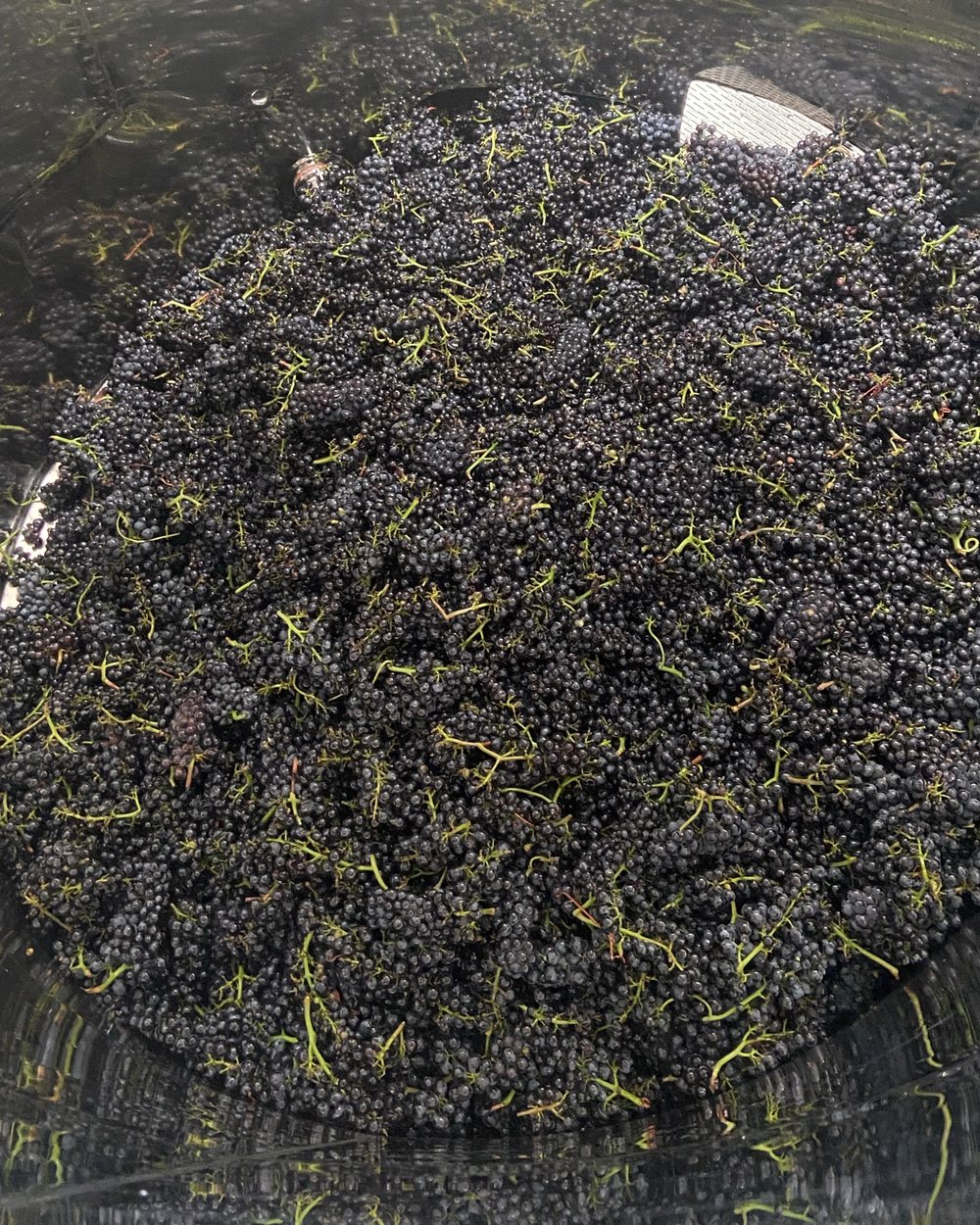
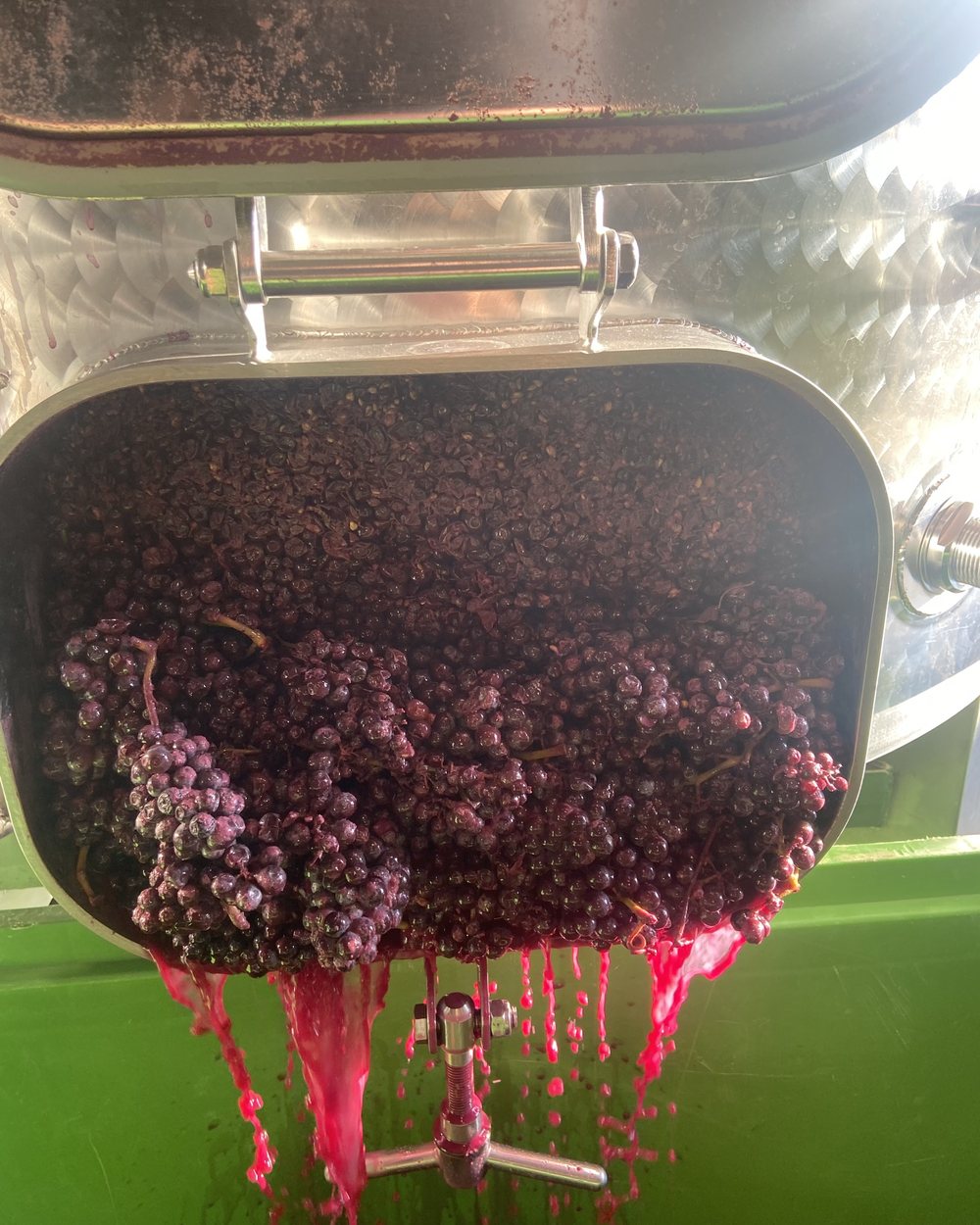
The Spätburgunder ferments on its skins and goes straight into oak after pressing. At least 30 % of the grapes stay whole and ferment that way. That makes it spicy and lively. The Taille from the 2025 vintage went its own way. It is the second press fraction of my sparkling base wine, I did not top up its barrels, and it matured entirely under flor. That makes it lightly oxidative, in the style of a Coteaux Champenois. So far it exists from this one vintage only.

My standard is simple. I make wines I like to drink myself.

See all wines

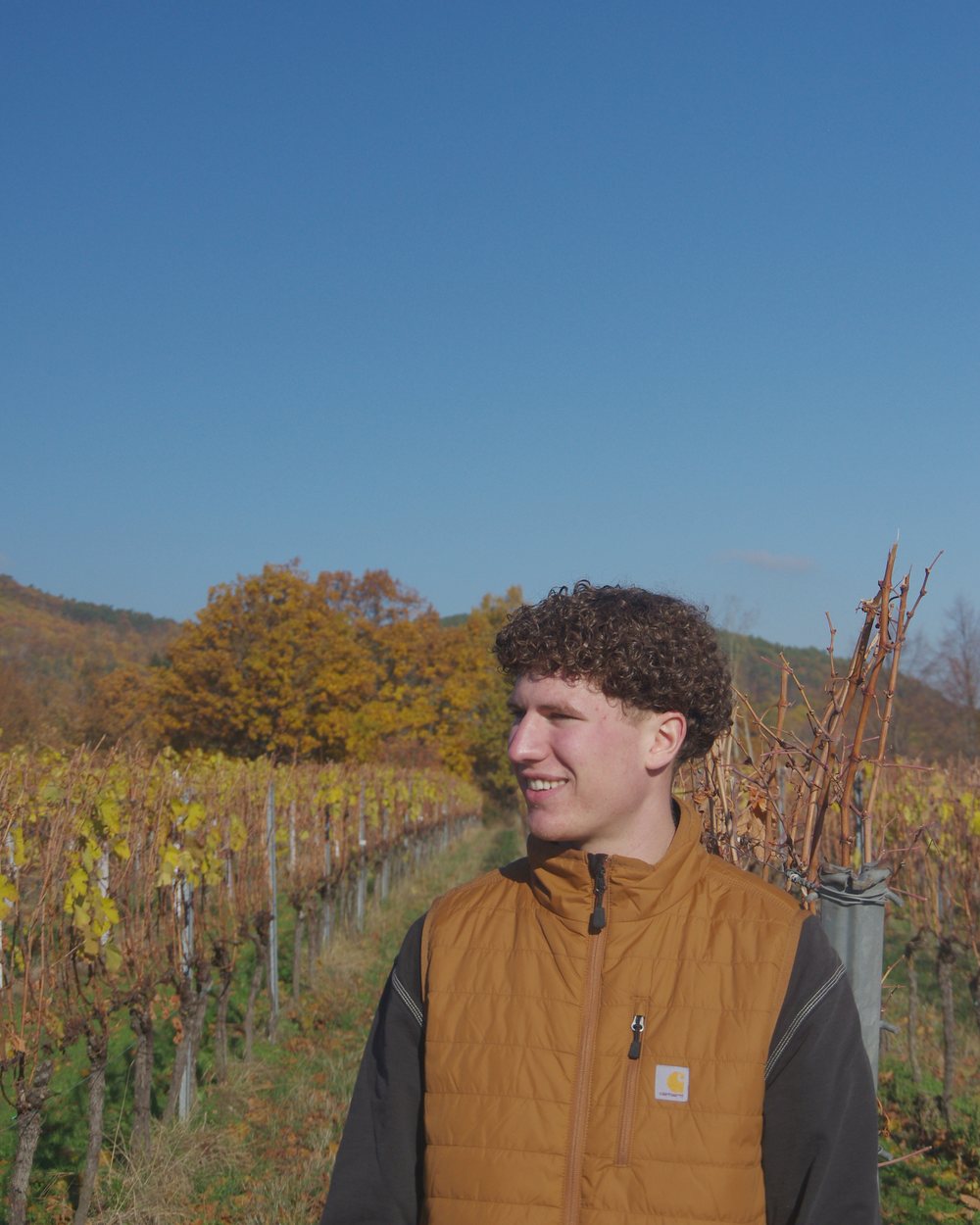
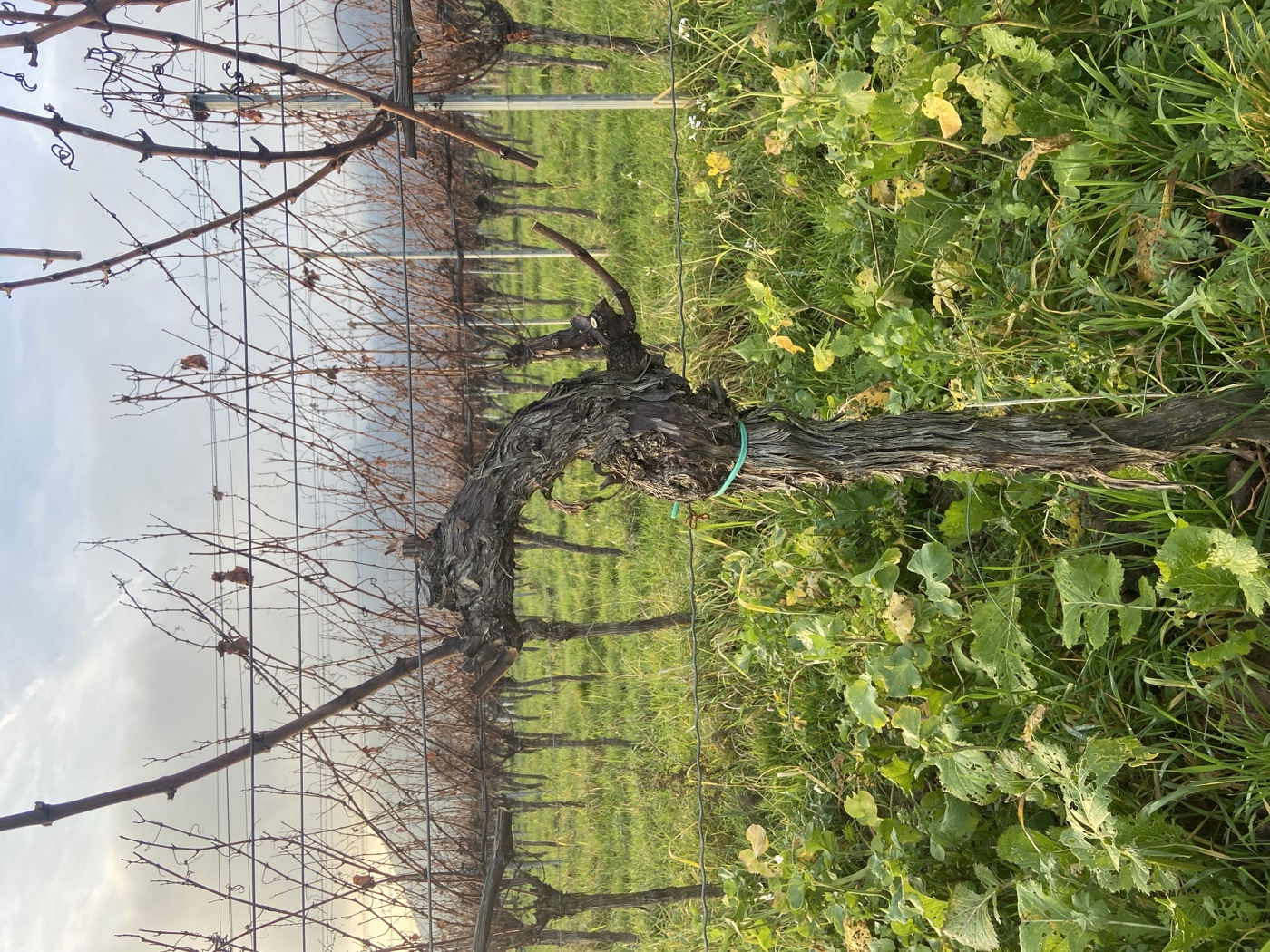
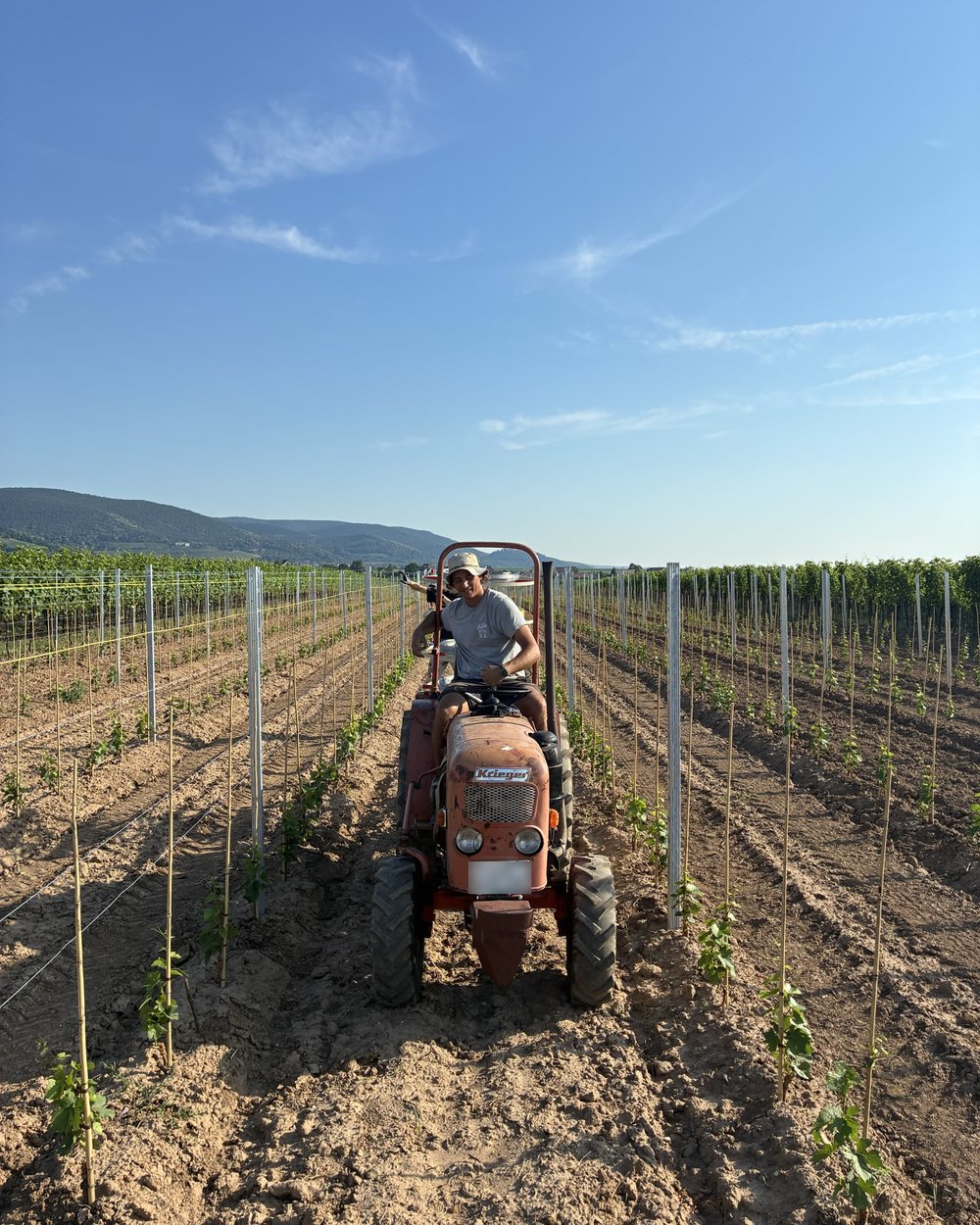
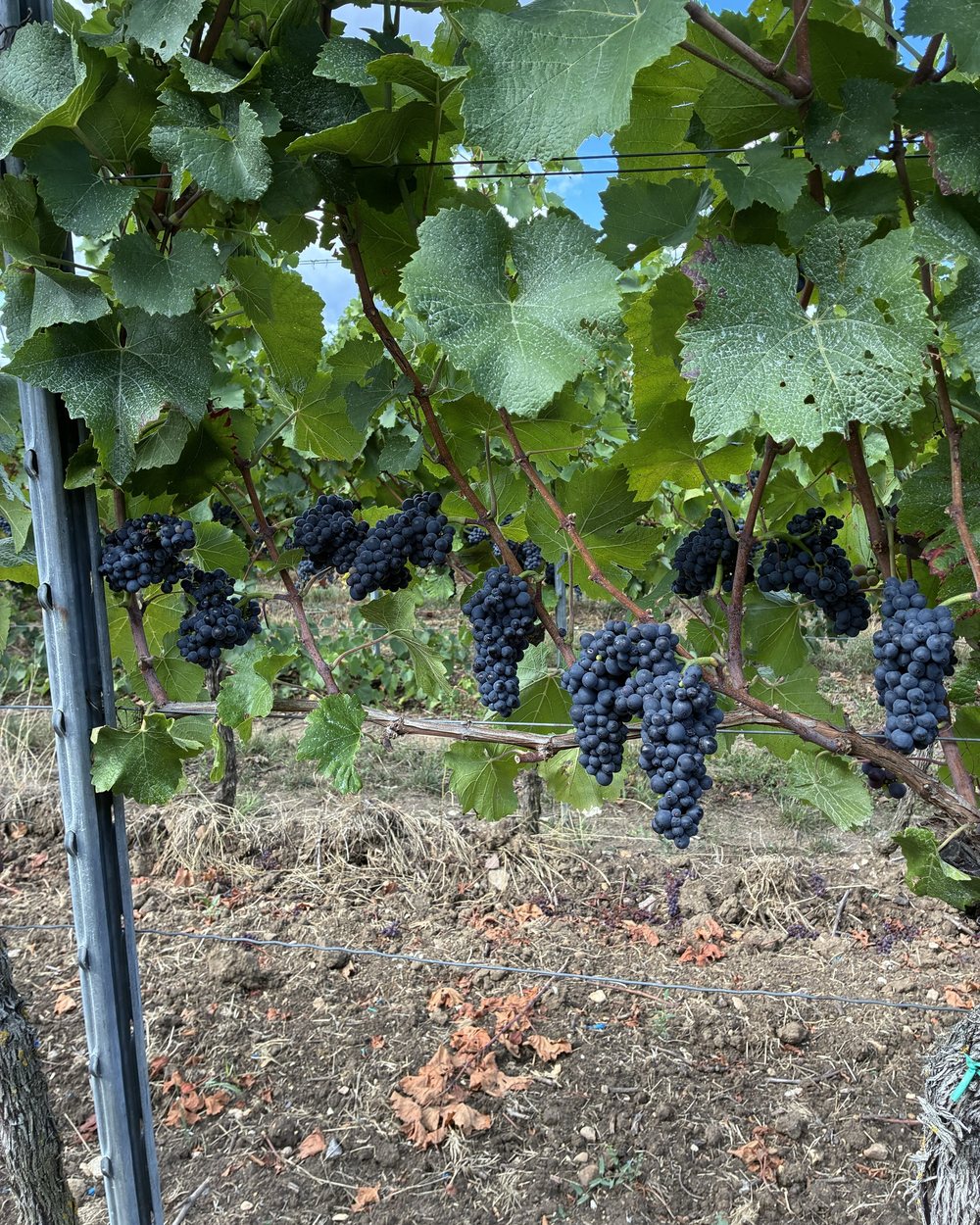
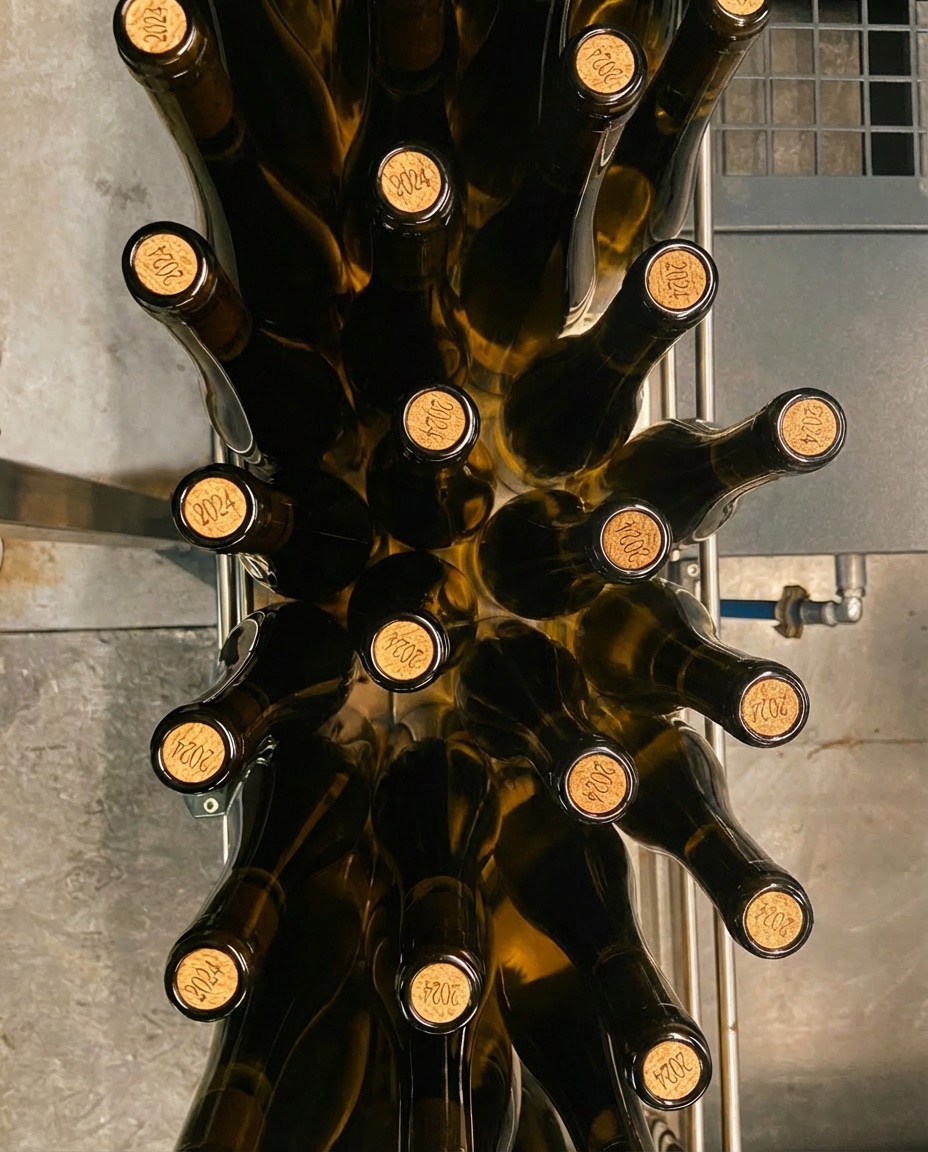
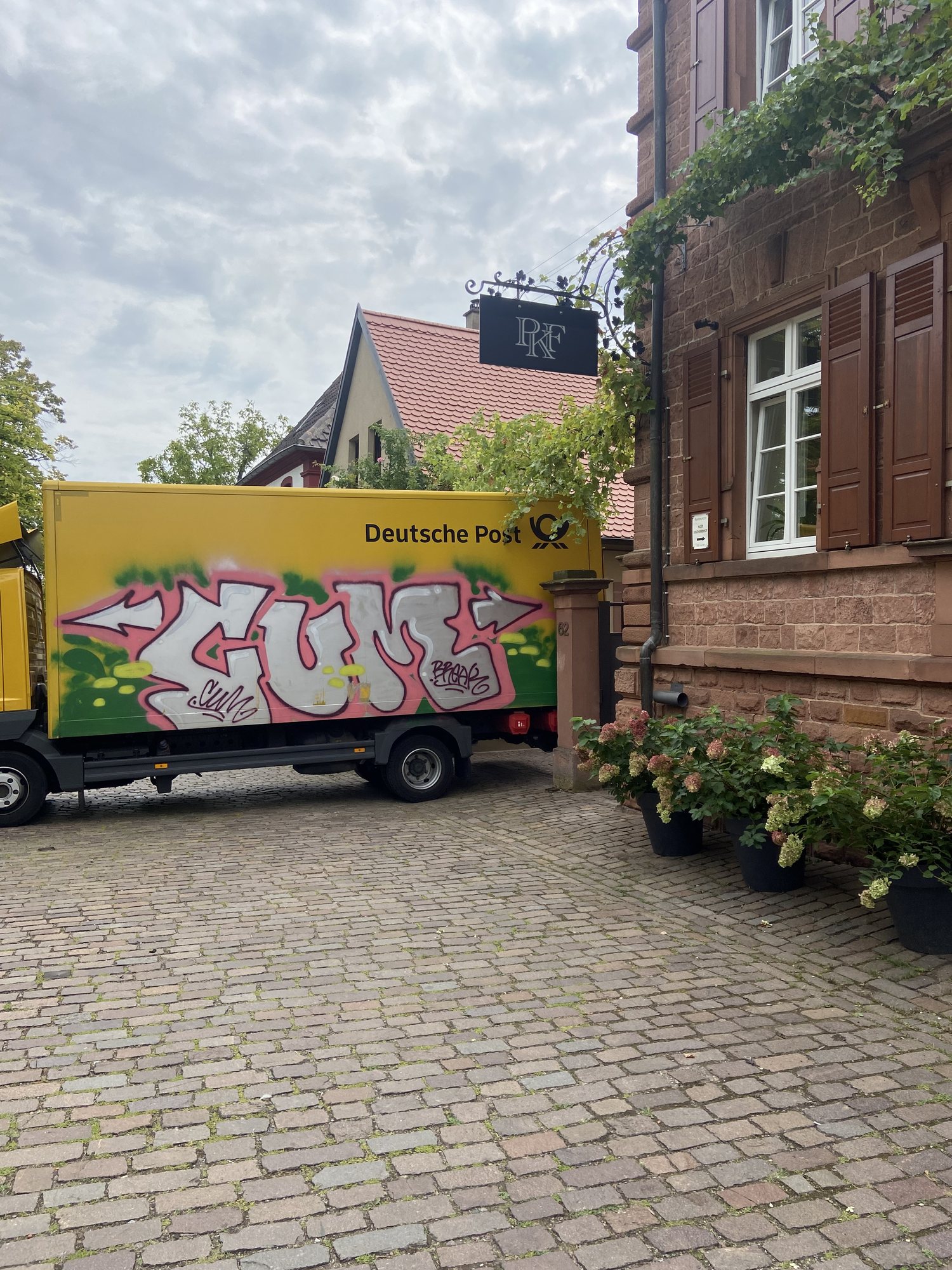
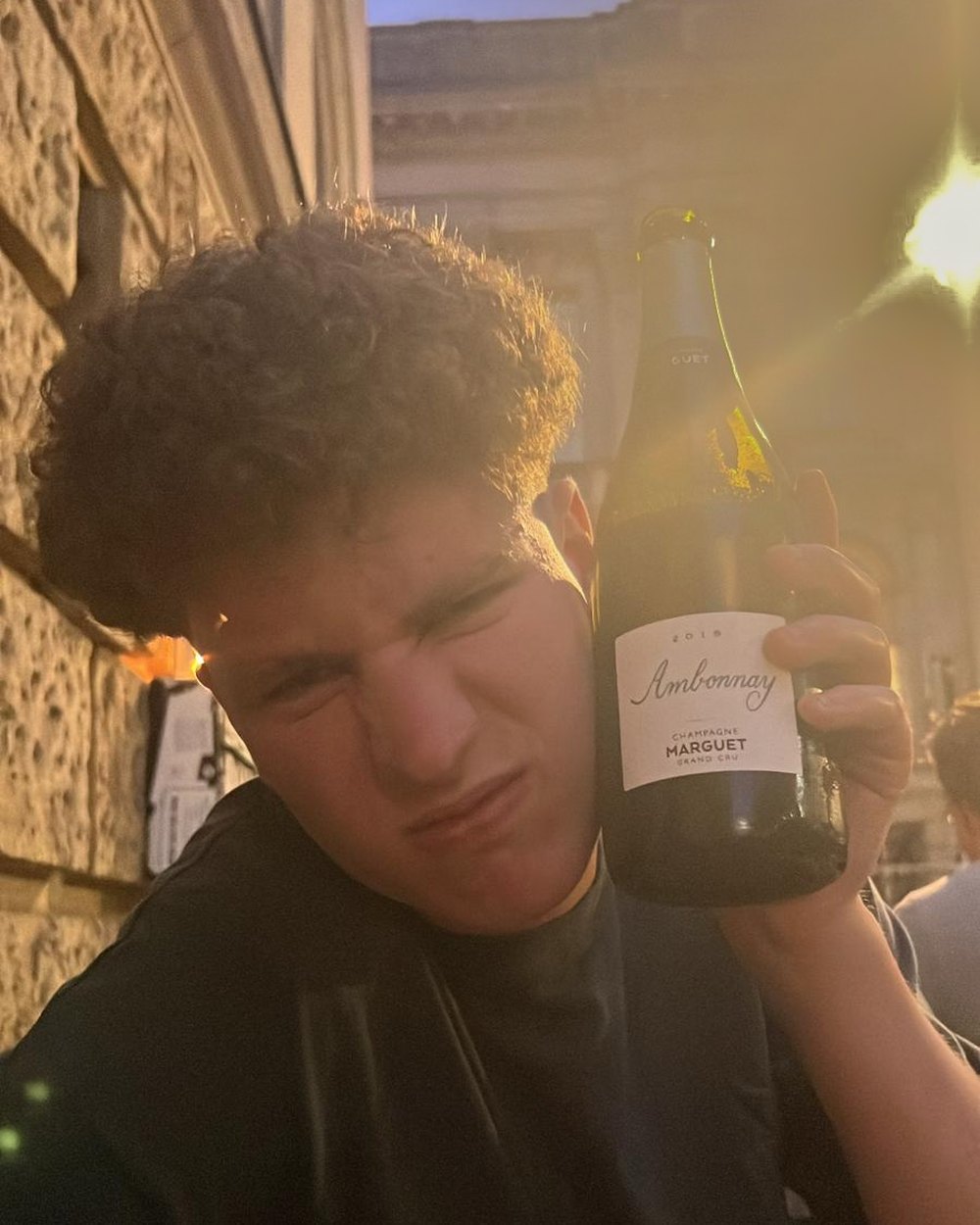
Paul in the autumn vineyard, looking to the side with a laugh Old vine in winter, a green cover crop growing between the rows Vine row with yellow autumn leaves, a flowering cover crop in between Paul on an old red tractor in a young vineyard Ripe blue grapes on the vine A hand holds a bunch of white grapes and pruning shears above the picking bucket A vat full of dark berries, seen from above Whole red bunches in an open tank, the juice running out Wine bottles lying down, seen from above, the corks marked with the vintage 2024 Courtyard with a sandstone house and a hanging sign bearing the letters PKF, a mail van with colourful graffiti in front Bottle of 2024 aus Rhodt Riesling on a post in the vineyard, the Palatinate Forest under clouds behind it Paul holds a bottle of champagne next to his face, squinting in the evening light